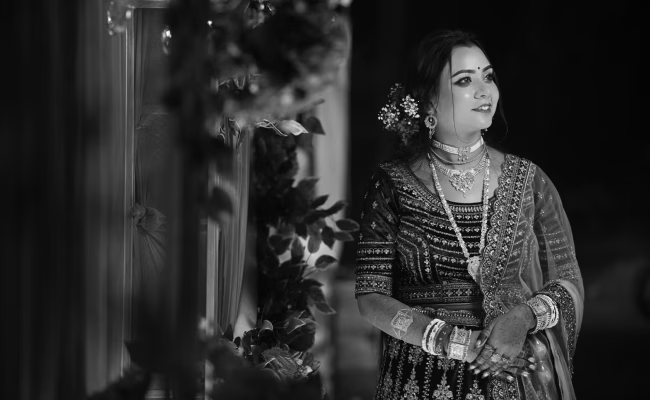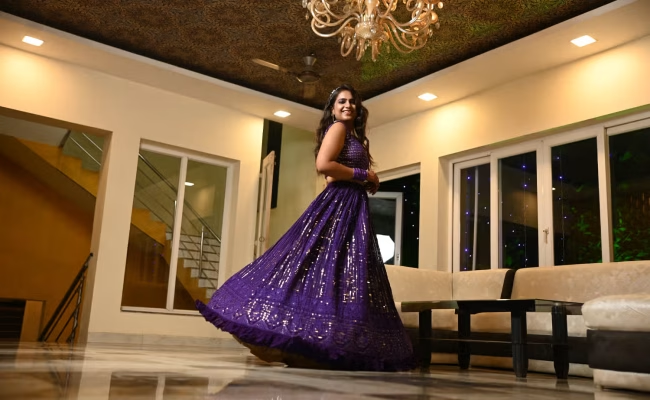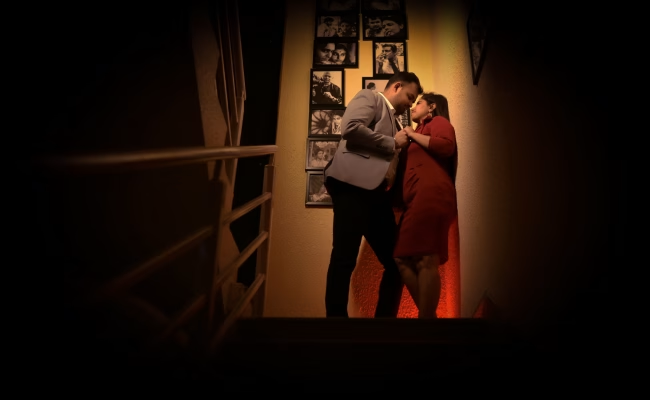
Bengali weddings are known for their beautiful traditions, emotional moments, vibrant colours, and meaningful rituals. From the blessings exchanged during Aashirbaad to the emotional farewell of Bidaay, every stage of a traditional Bengali wedding tells a unique story of love, family, and togetherness.
Whether you are planning your wedding or simply curious about Bengali culture, understanding these customs can help you appreciate the significance behind each ceremony. For couples planning their special day, knowing the rituals in advance can also help ensure that every important moment is captured beautifully.
Understanding Bengali wedding rituals helps couples appreciate the cultural significance, emotions, and traditions that make a Bengali wedding truly special.
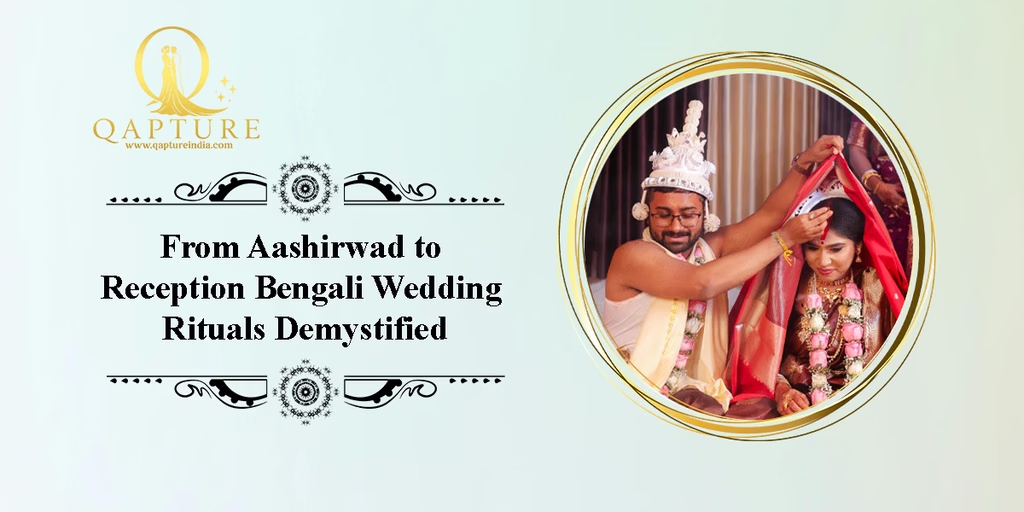
In this guide, we explore 23 Bengali wedding rituals and traditions, including pre-wedding ceremonies, wedding-day customs, post-wedding traditions, the wedding reception, and Phool Sajya. While practices may vary between families and regions, these customs represent many of the traditions commonly associated with Bengali weddings.
List of 23 Important Bengali Wedding Rituals, Customs and Traditions
- Adan Pradan
- Ashirbaad
- Aiburo Bhaat
- Nitbor and Nitkone
- Shankha-Pola
- Ganga Nimantran
- Dodhi Mangal
- Nandi Mukh
- Gaye Holud
- Dorpon
- Bor Boron
- Bastra Dan
- Subho Drishti
- Mala Bodol
- Sampradan
- Yagna and Saptapadi
- Anjali and Sindoor Daan
- Bashor Jaaga and Bidaay
- Bodhu Boron
- Kaal Ratri
- Bou Bhaat
- Bengali Wedding Reception: Celebrating the Newlyweds
- Phool Sajya
1. Adan Pradan: The Formal Beginning of a Bengali Wedding
Adan Pradan is traditionally associated with the formal discussion and acceptance of a marriage proposal between two families. It marks an important step towards establishing the relationship and preparing for the wedding.
During this stage, the families may discuss the wedding arrangements, dates, and other important details. In some families, the process also involves the guidance of elders or a priest.
Although modern couples may approach marriage arrangements differently, the spirit of Adan Pradan remains connected to family acceptance and the beginning of a new relationship.
Among the traditional Bengali wedding rituals, Adan Pradan marks an important step in bringing two families together.
Photography tip: Capture candid photographs of the families meeting, exchanging smiles, and sharing their excitement. These early moments often become meaningful memories in a couple’s wedding album.
2. Aashirbaad: Blessings for the Couple
Aashirbaad is one of the most meaningful Bengali wedding traditions. During this ceremony, elders from the bride’s and groom’s families bless the couple and express their good wishes for a happy married life.
The ritual may involve placing paddy and durba grass on the couple’s heads, along with other customary gestures. Gold ornaments or gifts may also be presented, depending on family traditions.
Aashirbaad symbolises the family’s acceptance of the marriage and their hopes for the couple’s future.
Photography tip: Focus on the expressions of the elders, the couple’s reactions, and the small gestures that make this ceremony special. Close-up photographs of blessings and family interactions can add emotional depth to the wedding album.
3. Aiburo Bhaat: The Special Meal Before Marriage
Aiburo Bhaat is a traditional pre-wedding meal arranged for the bride or groom before marriage. The Bengali expression refers to enjoying a special meal before leaving one’s unmarried life behind.
The celebration often includes favourite Bengali dishes such as rice, fish, dal, vegetables, chutney, and sweets. The exact menu depends on the family’s preferences and regional customs.
Aiburo Bhaat is usually a joyful occasion filled with family conversations, laughter, and delicious food. In many modern families, the celebration also includes friends and informal photographs.
Photography tip: Capture the beautifully arranged food, candid family moments, and the bride or groom enjoying their special meal. These photographs preserve the warmth and simplicity of the celebration.
4. Nitbor and Nitkone: Special Wedding Companions
In some Bengali wedding traditions, the groom is accompanied by a Nitbor, while the bride is accompanied by a Nitkone. These companions may play a role in supporting the bride and groom during different parts of the ceremony.
Their responsibilities and the significance of these roles can differ between families. The presence of these companions also reflects the importance of family involvement in traditional Bengali weddings.
Photography tip: Take group portraits of the bride or groom with their companions. Candid photographs of them preparing for the ceremony, sharing jokes, or helping with wedding-day arrangements can make the album feel more personal.
5. Shankha-Pola: Traditional Bengali Bridal Bangles
Shankha and pola are traditional bangles closely associated with married Bengali women. Shankha bangles are traditionally made from conch shell, while pola bangles are commonly made from red coral or coral-coloured material.
These bangles are an important part of many Bengali bridal looks. They are often worn with a traditional saree, gold jewellery, and other bridal accessories.
Although individual practices vary, shankha-pola are widely recognised as symbols of Bengali marital tradition.
Photography tip: Ask your photographer to capture detailed bridal portraits highlighting the bangles, rings, mehendi if worn, and other jewellery. These close-up images beautifully document the bride’s traditional styling.
6. Ganga Nimantran: Inviting the Blessings of the River
Ganga Nimantran is a customary practice observed in some Bengali families before the wedding. It involves inviting or seeking the blessings of the sacred River Ganga as part of the preparations for the auspicious occasion.
The exact form of this custom may vary according to family traditions, religious beliefs, and local practices. It reflects the cultural and spiritual significance of the Ganga in Bengali life.
Photography tip: If the family observes this ceremony, document the preparations and the meaningful gestures involved. Respectful photographs of the ritual objects and family members can help preserve its cultural significance.
7. Dodhi Mangal: An Auspicious Early-Morning Meal
Dodhi Mangal is traditionally observed early on the wedding day, often before sunrise. The bride and groom may be served a meal that includes curd and other customary foods.
In many families, this is among the last meals the bride and groom enjoy before the main wedding ceremonies and their associated customs begin. The ritual is connected with wishes for prosperity and an auspicious start to married life.
The precise menu and timing can differ between families.
Photography tip: Early-morning ceremonies can create intimate photographic moments. Capture the family members preparing the food, the traditional dishes, and the bride or groom participating in the ritual.
8. Nandi Mukh: Remembering the Ancestors
Nandi Mukh is a traditional ritual performed in some Bengali families before the wedding. It is associated with remembering and seeking blessings from departed ancestors before an important family occasion.
The ceremony is generally conducted according to family customs and may involve a priest and specific religious observances.
Nandi Mukh reflects the importance of family heritage and the belief that a significant life event should begin with respect for those who came before.
Photography tip: Photograph this ceremony with sensitivity and discretion. Focus on the ceremonial arrangements, ritual objects, and meaningful family moments without interrupting the proceedings.
9. Gaye Holud: The Celebration of Turmeric
Gaye Holud is one of the most colourful and recognisable pre-wedding traditions in Bengali culture. During this ceremony, turmeric paste is applied to the bride or groom by family members and loved ones.
The ritual is associated with auspiciousness and traditional bridal preparation. In many families, the ceremony is accompanied by music, laughter, bright yellow outfits, floral decorations, and plenty of candid moments.
Depending on the family’s customs, the bride and groom may have separate Gaye Holud celebrations. Some families also exchange turmeric or other ceremonial items between the two households.
For wedding photography, Gaye Holud offers opportunities to capture vibrant colours, genuine emotions, and spontaneous interactions.
Gaye Holud is one of the most colourful Bengali wedding rituals, filled with turmeric, blessings, music, and joyful family moments.
Photography tip: Choose a photographer who can work comfortably in bright outdoor light or colourful indoor settings. Capture turmeric application, laughter, flower decorations, family portraits, and the small details of the ceremony.
For more bridal inspiration, you can also explore this external resource: Bengali Bridal Haldi Look.
10. Dorpon: The Traditional Mirror
Dorpon, meaning mirror, is associated with a traditional Bengali wedding custom in which a mirror plays a symbolic role. In some ceremonies, the bride uses a mirror as part of the ritual, with the exact practice varying between families.
The mirror can also create an opportunity to capture the bride’s expression and bridal appearance from a different perspective.
As with many Bengali wedding customs, the precise significance and sequence may differ according to family traditions.
Photography tip: Mirror reflections can create elegant bridal portraits. A skilled photographer can use the mirror to capture the bride’s jewellery, makeup, saree details, and expressions without making the photograph feel staged.
11. Bor Boron: Welcoming the Groom
Bor Boron is the traditional welcoming ceremony for the groom when he arrives at the wedding venue or the bride’s home.
The bride’s family, often led by senior women, welcomes the groom through customary gestures. Depending on family traditions, the ceremony may include an aarti, a ceremonial lamp, sweets, or other auspicious items.
The welcome represents hospitality, respect, and the acceptance of the groom into the bride’s family.
Photography tip: This ceremony is full of expressive moments. Capture the groom’s arrival, the welcoming gestures, the reactions of family members, and the interaction between the two families.
12. Bastra Dan: The Presentation of Wedding Clothes
Bastra Dan refers to the presentation or gifting of clothing as part of traditional wedding customs. Depending on the family and the specific ceremony, garments may be offered to the bride or groom by relatives.
The practice reflects generosity, family participation, and the importance of ceremonial attire in a traditional Bengali wedding.
The precise form of Bastra Dan can vary, and it may not be observed in every family.
Photography tip: Photograph the clothes and their presentation alongside the people involved. Detailed photographs of traditional garments, sarees, dhotis, and other wedding attire can add variety to the final album.
13. Subho Drishti: The First Auspicious Glance
Subho Drishti is one of the most memorable moments of a traditional Bengali wedding. During this ritual, the bride is often carried on a piri, a low wooden stool, by male relatives. She may cover her face with betel leaves before revealing it to look at the groom.
The couple then exchange their first ceremonial gaze amid the excitement of family members and guests.
Subho Drishti symbolises the beginning of their journey together and is often one of the most anticipated moments of the wedding ceremony.
Subho Drishti is one of the most memorable Bengali wedding rituals, as the bride and groom see each other during the wedding ceremony.
Photography tip: Timing is essential. A photographer should be ready to capture the bride’s reveal, the groom’s reaction, the couple’s expressions, and the joyful atmosphere surrounding them. These photographs often become highlights of a Bengali wedding album.
14. Mala Bodol: Exchanging Floral Garlands
Mala Bodol is the traditional exchange of flower garlands between the bride and groom. It is often performed after Subho Drishti, although the sequence may vary.
The couple places garlands around each other’s necks, marking an important moment in the wedding ceremony. Friends and relatives may cheer, laugh, and participate in the celebration.
The ritual creates some of the most energetic and candid moments of the day.
Photography tip: Capture the garland exchange from different angles. Wide photographs can show the reactions of the guests, while close-ups highlight the couple’s expressions and the floral details.
15. Sampradan: Giving the Bride’s Hand in Marriage
Sampradan is a significant ritual in many traditional Bengali Hindu weddings. During this ceremony, a family elder or designated relative formally gives the bride’s hand in marriage to the groom according to customary religious practices.
A priest may guide the proceedings, with the bride, groom, and family members participating in the ceremony.
Sampradan carries deep emotional meaning because it represents the formal joining of two families and the beginning of a new chapter in the couple’s lives.
Photography tip: Focus on the expressions of the bride, groom, and the family member performing the ritual. Respectful photographs of the ceremony’s important gestures can preserve its emotional significance.
16. Yagna and Saptapadi: Sacred Fire and Wedding Vows
In many Bengali Hindu weddings, the wedding ceremony includes religious observances around a sacred fire, or yagna. A priest guides the couple through the prescribed rituals and prayers.
Saptapadi, commonly associated with seven steps or vows in Hindu marriage traditions, is also practised in many communities. However, the exact form and sequence of wedding rites can vary according to regional, family, and religious customs.
These rituals represent commitment, partnership, and the responsibilities associated with married life.
Photography tip: Use a combination of wide shots and close-ups to document the sacred fire, ceremonial arrangements, the couple’s participation, and the priest conducting the rituals. The photographer should remain mindful of the ceremony and avoid obstructing the proceedings.
17. Anjali and Sindoor Daan: Important Wedding-Day Moments
Anjali and Sindoor Daan are two important elements associated with many traditional Bengali Hindu weddings.
During Anjali, the bride and groom participate in a ritual offering, often involving puffed rice and other customary elements. The precise sequence may differ between families and wedding traditions.
Sindoor Daan is the ceremonial application of sindoor, or vermilion, by the groom to the bride’s hair parting. In many Bengali Hindu weddings, this is a deeply emotional moment and a significant part of the ceremony.
These rituals are closely associated with the couple’s transition into married life.
Photography tip: Be prepared for the key moments rather than relying only on posed photographs. Capture the ritual offering, the bride’s expression, the Sindoor Daan ceremony, and the reactions of family members.
18. Bashor Jaaga and Bidaay: Celebration and Farewell
Bashor Jaaga and Bidaay represent two very different emotional experiences associated with Bengali weddings.
Bashor Jaaga is connected with the post-wedding gathering in which the newly married couple may spend time with relatives and friends. Depending on family traditions, the occasion may involve conversations, playful interactions, songs, and late-night celebrations.
Bidaay, by contrast, is the emotional farewell when the bride leaves her parental home to begin married life with her husband. The ceremony can be particularly moving for the bride and her family.
The customs and their timing differ across families, but both occasions reflect the emotional journey surrounding marriage.
Among all Bengali wedding rituals, Bidaay is often one of the most emotional moments for the bride and her family.
Photography tip: For Bashor Jaaga, focus on candid interactions and the atmosphere of the gathering. For Bidaay, capture the bride’s farewell, her parents’ expressions, family embraces, and other genuine moments with sensitivity.
19. Bodhu Boron: Welcoming the Bride to Her New Home
Bodhu Boron is the traditional welcoming of the bride into the groom’s home after the wedding.
Family members may welcome the bride with customary rituals, auspicious items, and blessings. Depending on family practices, these may include an aarti, ceremonial arrangements, or other traditional gestures.
Bodhu Boron represents the bride’s welcome into a new household and the beginning of another stage of married life.
Photography tip: Capture the bride’s arrival, the welcome from her new family, and the small details of the ceremony. Natural expressions and candid family interactions can make these photographs especially meaningful.
20. Kaal Ratri: A Traditional Post-Wedding Custom
Kaal Ratri is a traditional custom observed in some Bengali Hindu weddings after the bride arrives at the groom’s home. The practice is associated with a period of separation or rest for the newly married couple, according to particular family traditions.
The observance and its interpretation may vary. Not every Bengali family follows the same customs, so it is best to confirm the schedule with the couple and their families.
Photography tip: If photography is part of the occasion, focus on family gatherings, ceremonial details, and the atmosphere surrounding the custom. Always respect the family’s privacy and any restrictions on photography.
21. Bou Bhaat: The Bride’s First Meal in Her New Home
Bou Bhaat is a well-known post-wedding tradition in many Bengali families. It is commonly associated with the bride’s welcome into her new household and a meal or celebration involving family members and guests.
In some families, the groom presents the bride with a saree or other gifts, and the bride serves rice to her husband as part of the custom. Practices can differ, so the details should be confirmed with the family.
Bou Bhaat often brings together relatives for a meal and provides another opportunity to celebrate the marriage.
Photography tip: Photograph the bride’s traditional attire, family portraits, food arrangements, and candid interactions. If a ceremonial meal is part of the celebration, capture the meaningful details without interrupting the event.
22. Bengali Wedding Reception: Celebrating the Newlyweds
The Bengali wedding reception is a celebration where the newly married couple meets relatives, friends, and guests. It is often one of the larger social gatherings associated with the wedding festivities.
Unlike specific religious wedding rites, a reception is primarily a social celebration, and its format varies widely between families. It may feature formal introductions, speeches, dinner, music, stage portraits, and group photographs.
The bride may wear a reception saree or another formal outfit, while the groom may choose a suit, sherwani, or traditional attire. Decorations, lighting, and the couple’s styling all contribute to the atmosphere.
For many couples, the reception is also an opportunity to take portraits with guests who could not attend the main wedding ceremony.
Photography tip: A well-planned reception photography schedule should include couple portraits, family group photographs, guest interactions, stage moments, décor details, and candid celebrations.
If you are looking for professional coverage of your special day, explore QaptureIndia’s Bengali wedding photography services in Kolkata.
23. Phool Sajya: The Floral Wedding Night Decoration
Phool Sajya is a traditional Bengali post-wedding custom in which the room or bed prepared for the newly married couple is decorated with flowers. The floral arrangements may include roses, jasmine, and other seasonal flowers, depending on the family’s preferences.
The decoration creates a romantic and festive setting for the couple’s first night after marriage. The style can range from simple floral arrangements to elaborate displays covering the bed, headboard, and surrounding space.
Phool Sajya is not performed in exactly the same way by every Bengali family, but it remains a familiar element of many traditional wedding celebrations.
Photography tip: Capture the floral decorations, colour combinations, room styling, and intricate details before the couple enters the room. Wide shots can showcase the overall design, while close-ups highlight the flowers and decorative elements.
Conclusion: Celebrate Every Moment of a Bengali Wedding
Bengali weddings are a beautiful blend of traditions, emotions, and family celebrations. From the blessings of Aashirbaad and the vibrant colours of Gaye Holud to the special moments of Subho Drishti, Sindoor Daan, Bidaay, and Phool Sajya, every custom holds a unique place in Bengali wedding culture.
Understanding these Bengali wedding rituals helps couples appreciate the meaning behind each ceremony and prepare for their special day. These Bengali wedding rituals reflect the rich cultural heritage, family bonds, and heartfelt emotions that make every Bengali wedding unique. Although traditions may vary from family to family, the love, happiness, and togetherness behind these celebrations remain timeless.
If you are planning a Bengali wedding in Kolkata, choosing the right photographer can help preserve these precious memories for years to come. Explore QaptureIndia’s Bengali wedding photography services in Kolkata to capture the rituals, emotions, and unforgettable moments that make your wedding truly special.
Follow Qaptureindia on Social Media
Want to see more beautiful wedding moments, candid photographs, and bridal inspiration? Follow QaptureIndia on social media to explore our wedding photography work and find inspiration for your special day.
- Facebook: Follow Qaptureindia Weddings
- Instagram: Follow Qaptureindia Photography
Stay connected with Qaptureindia and discover how we capture the moments that make every wedding unique.